
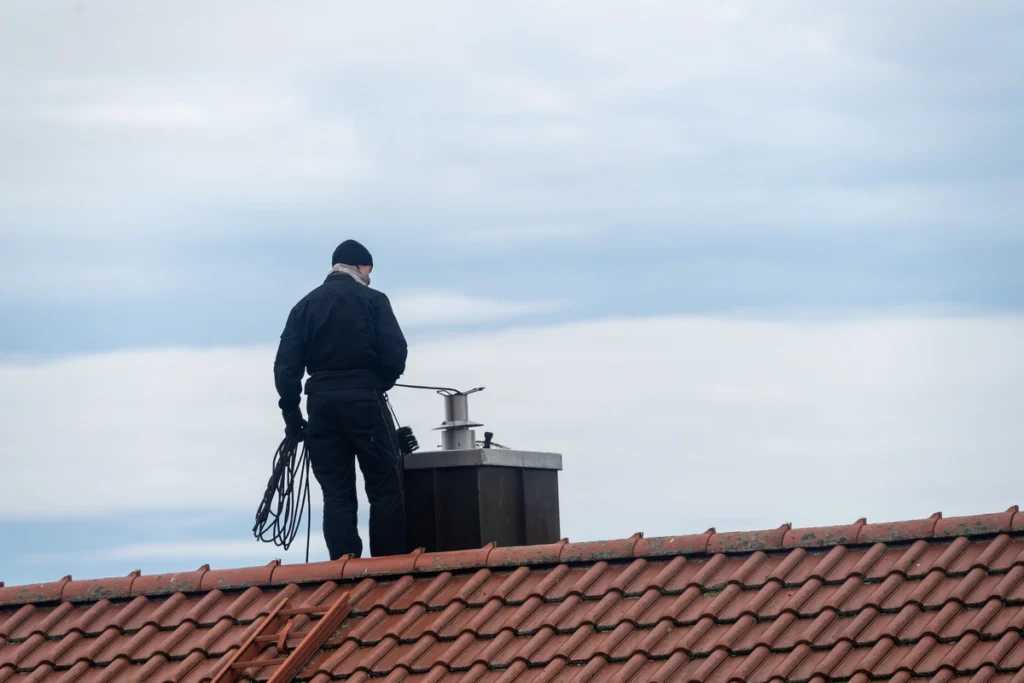
Your roof isn’t a sidewalk, and your shoes weren’t made for shingles. Still, there are times when you need to climb up—maybe to clear out a gutter, inspect damage, or rescue a runaway frisbee.
The problem? One wrong step could crack a shingle or send you sliding. That’s why it’s important to know how to walk on a roof safely.
This guide keeps it real—no jargon, no overcomplicated advice. Just simple tips to protect both you and your roof.
How to Walk on Shingle Roof Without Damaging It?
Walk only when needed, wearing soft-soled shoes, stepping on overlap zones, and avoiding heat or moisture to prevent cracking or dislodging shingles.
Key Takeaways
- Only walk on shingles when absolutely necessary and conditions are safe.
- Use rubber-soled shoes, avoid hot or wet weather, and step where shingles overlap.
- Distribute weight, move slowly, and use tools like harnesses or foam pads for support.
- Roof walking can void your warranty—read the fine print first.
- Call a pro if the slope is steep, the roof is damaged, or you’re unsure where to step.
Is It Safe to Walk on a Shingle Roof?
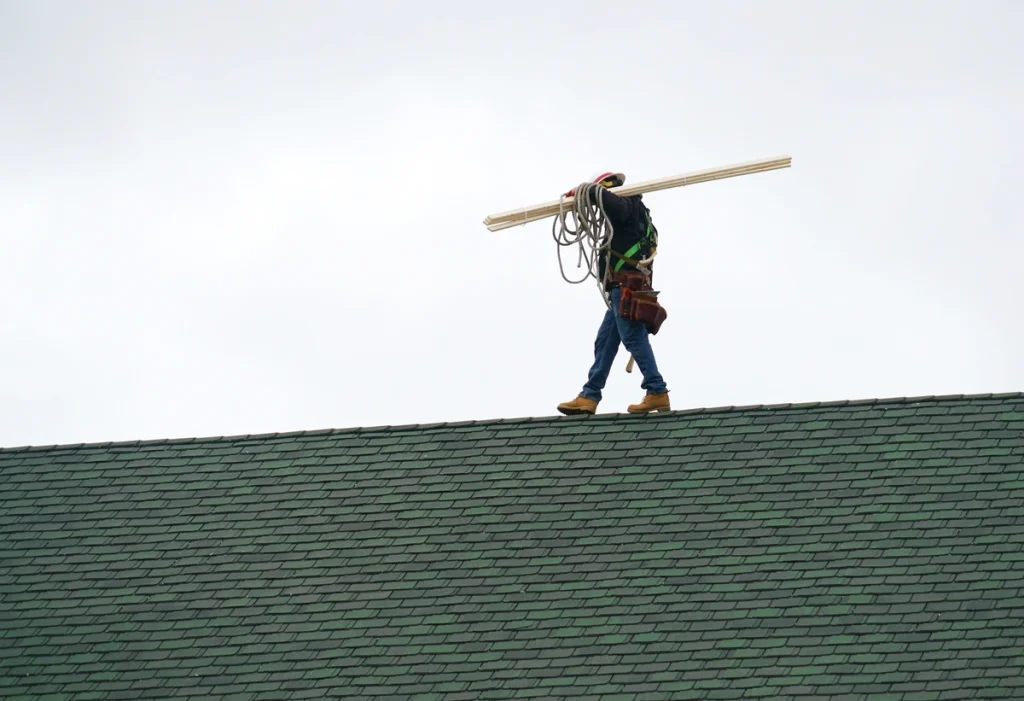
Short answer? Sometimes. Asphalt shingles weren’t made for foot traffic, but you can walk on them carefully.
Your roof’s pitch, age, and condition all matter. Steep slope? Big no. Loose or brittle shingles? Don’t risk it.
If the roof’s fairly new, dry, and not too steep, you’re probably good for a quick check. Still, move slowly and tread lightly.
And hey, safety first. If you’re nervous, wobbly, or it’s been raining, skip the DIY hero act and call a pro. A broken shingle is fixable. A broken ankle? Not so much.
Risks of Walking on a Shingle Roof
Shingles aren’t built to take your full weight. One wrong step can crack, shift, or loosen them.
That means leaks, blown-off tabs, and repairs that cost way more than you planned. If the roof’s already fragile or old, the damage gets worse fast.
There’s also the personal risk. Sloped surface, slick granules, no grip? That’s a wipeout waiting to happen.
And don’t forget the fine print—some roofing warranties go void if you stomp around up there. So before you lace up, think twice. There’s a fine line between checking your roof and wrecking it.
What Type of Shoes Should You Wear While Walking on the roof?
Leave the flip-flops and heavy boots behind. Walking on shingles requires footwear with reliable traction and flexibility.
Go for soft rubber soles with good tread. Think sneakers or roofing shoes that hug the surface without slipping.
Heavy shoes? Hard pass. They put too much pressure on shingles and increase your chance of cracking one. Same goes for anything slick-soled or chunky.
You also want something flexible—shoes that let you feel the roof beneath you without turning your foot into a wrecking ball.
Bonus points if they’re lightweight and breathable. You’ll thank yourself after 10 minutes in the sun.
Bottom line: wear something that sticks, moves with you, and won’t wreck the roof. Your sneakers might not win style points up there, but they’ll help you stay upright and damage-free.
Best Time and Weather Conditions for Roof Walking
Your roof isn’t the place for extreme heat or slippery conditions. Aim for early mornings when it’s cool, dry, and calm.
Shingles get soft under blazing sun and brittle when it’s cold. Either way, they’re easier to damage.
Skip rainy days, frosty mornings, or windy afternoons. Moisture plus height? Not a good combo.
Overcast but dry weather is your cheat code. Good grip, better visibility, and less heat on your back.
If it’s been stormy, wait it out. Wet roofs are slicker than they look. No rooftop stunt is worth a hospital bill or a roof repair.
Step-by-Step Guide to Walking on Shingles Safely
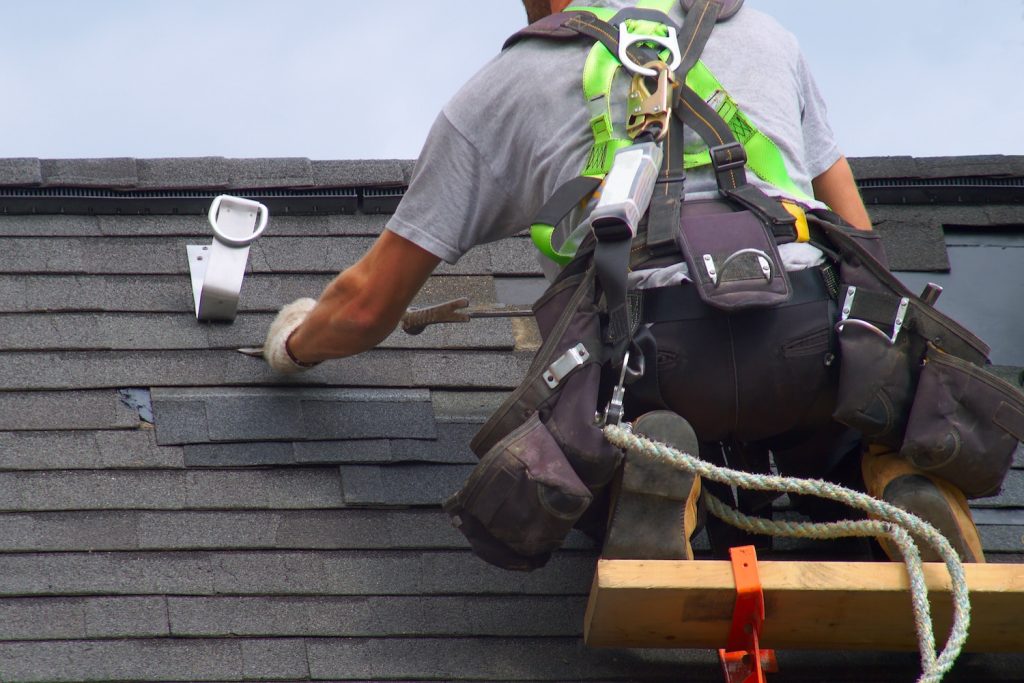
Walking on a shingle roof isn’t rocket science, but it’s also not a stroll in the park. One wrong move and you could damage your roof—or worse, yourself. Here’s how to move smart and stay safe, step-by-step:
1. Start at the bottom, not the top
Always access the roof from the lower edge. Working your way up gives you more control and reduces pressure on fragile upper shingles.
2. Step on the overlap zones
Shingles are strongest where they overlap. Place your feet on the lower third of each shingle to avoid cracking or shifting them out of place.
3. Walk slow and steady
Move with intention, not speed. Take short, deliberate steps and avoid sudden movements or pivots that could unbalance you or scrape the roof.
4. Distribute your weight evenly
Keep your feet flat and shoulders balanced. Don’t stomp or tiptoe—both add uneven pressure that can leave dents or break the material.
5. Use your arms (and tools) for balance
If there’s nothing to hold on to, keep your arms out to stabilize yourself. Better yet, wear a safety harness if the pitch is steep or you’re working solo.
6. Avoid extreme heat or cold
Hot sun softens asphalt shingles, making them more prone to damage. Cold makes them brittle. Aim for early mornings or mild, overcast weather.
7. Don’t linger in one spot
Standing still too long can press into the surface and wear down the grit. Keep it moving—even if it’s just shifting your weight from foot to foot.
8. Skip risky spots altogether
If the roof looks slick, damaged, or covered in moss, it’s best to avoid it. When you’re unsure, calling a trusted roofer in Mt Pleasant can help you make the right call.
9. Wear proper shoes
Rubber-soled shoes with grip are your best friend here. They help you stay sure-footed and lower the chance of slipping or tearing the roof surface.
10. Plan your path ahead of time
Before you even step foot on the roof, know where you’re going and how you’ll get there. Fewer steps = less wear and less risk.
Keep these steps in mind and you’ll make it off the roof with your pride, safety, and shingles intact.
Tools That Can Help Prevent Damage
Roof Harness and Safety Gear: If your roof’s got any slope, a harness isn’t optional. It keeps you clipped in and upright.
Foam Pads or Roof Jacks: Foam pads help spread your weight. Roof jacks add grip and make standing less sketchy.
Plywood Sheets: Lay down a board to walk on. It distributes pressure and keeps your steps off the shingles.
Ladder Stabilizers: These help you get on and off safely without crushing gutters or edge shingles.
Using a few smart tools can mean the difference between a clean inspection and a roof repair bill.
When to Call a Roofing Professional Instead
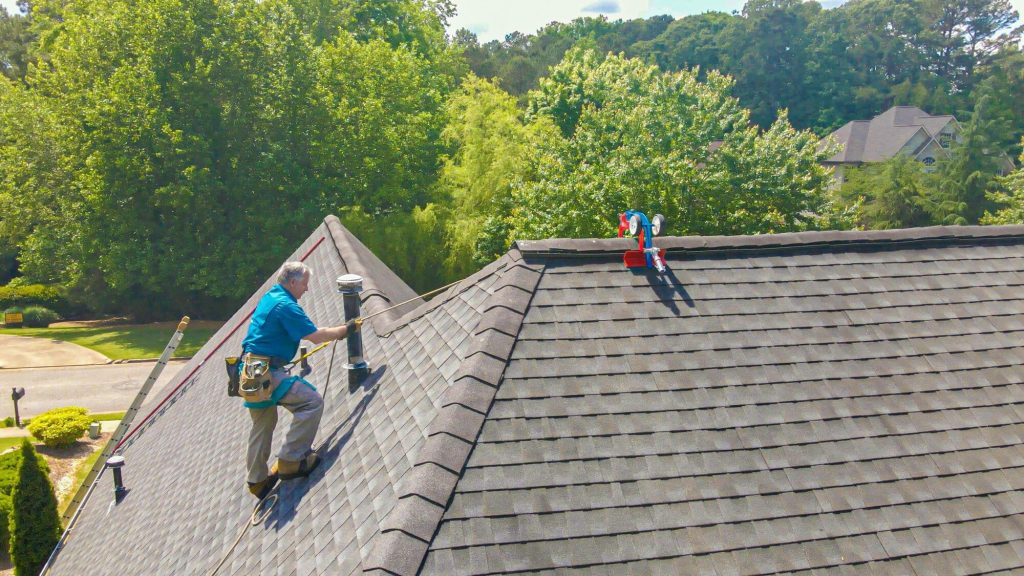
If your roof looks steep, sketchy, or damaged—don’t play the hero. Call someone who does this for a living.
Soft spots, missing shingles, or visible sagging? You stepping on it won’t fix anything. It’ll probably make it worse.
Also, if you’re unsure where to step or feel shaky on a ladder, skip it. No shame in staying grounded.
Pros have the gear, the experience, and the insurance. Let them handle the risky stuff so you don’t end up in a viral “roof fail” video—or the ER.
Sometimes the smartest move is not climbing up at all.
Can Walking on Roof Void Warranty?
Yep, it absolutely can. Most roofing warranties are picky about foot traffic—and for good reason.
Shingles aren’t made to handle foot traffic. If your steps cause damage, the manufacturer could deny coverage altogether.
Some warranties allow minor inspections, but you’ve gotta follow the rules. That usually means using proper shoes, avoiding damage, and not turning it into a rooftop stroll.
Before you step up, check your paperwork. One wrong move and your warranty could go poof.
Bottom line? If you’re not sure, don’t risk it. It’s cheaper to hire help than lose your coverage.
Frequently Asked Questions
1. Can I walk on my roof just for a quick look?
You can, but be careful. Stick to the strong zones and wear the right shoes.
2. How do I get up there safely?
Use a ladder with stabilizers and avoid sketchy angles. Slow and steady wins here.
3. Will insurance cover roof damage from walking?
Usually not. If you caused it, they’ll likely say it’s on you.
4. What if I accidentally crack a shingle?
Replace it ASAP. Even a small crack can turn into a leak party later.
5. Is roof walking ever recommended?
Only when necessary—and only if you’re confident you won’t do more harm than good.
Conclusion
Walking on a shingle roof isn’t a casual flex—it’s a calculated move. The wrong shoes, bad weather, or one misstep can cost you more than just a shingle.
If you have to get up there, do it smart. Use the right gear, pick your steps like you mean it, and know when to pass the job to a pro.
Your roof protects your whole house. Treat it with some respect and it’ll keep doing its thing—leak-free and looking sharp.
No ego, no shortcuts, just clean moves and common sense. That’s the cheat code.